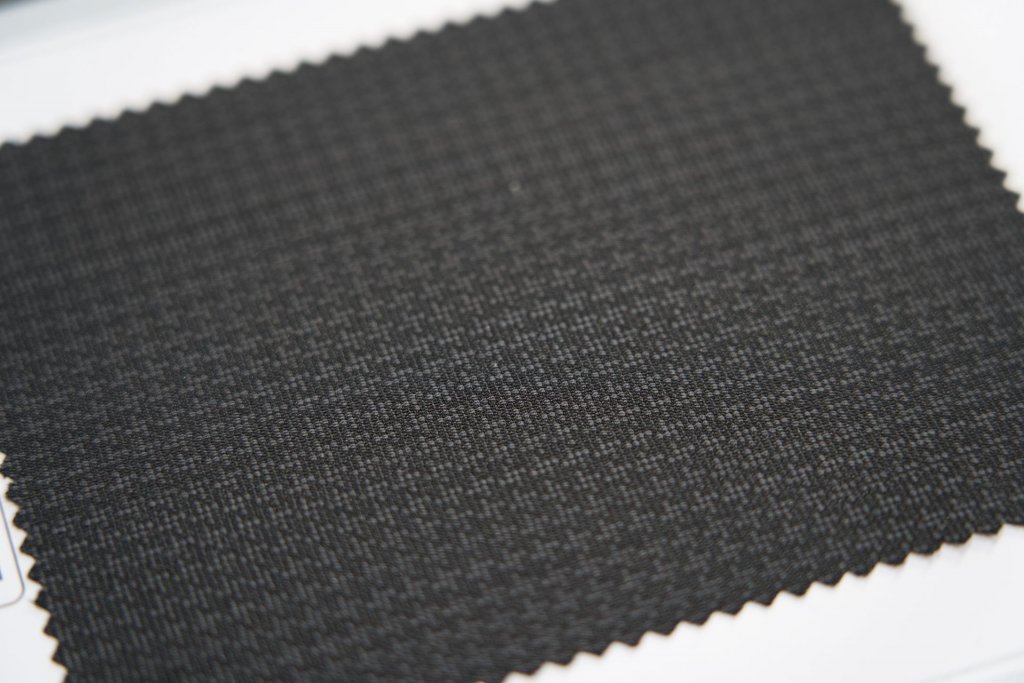
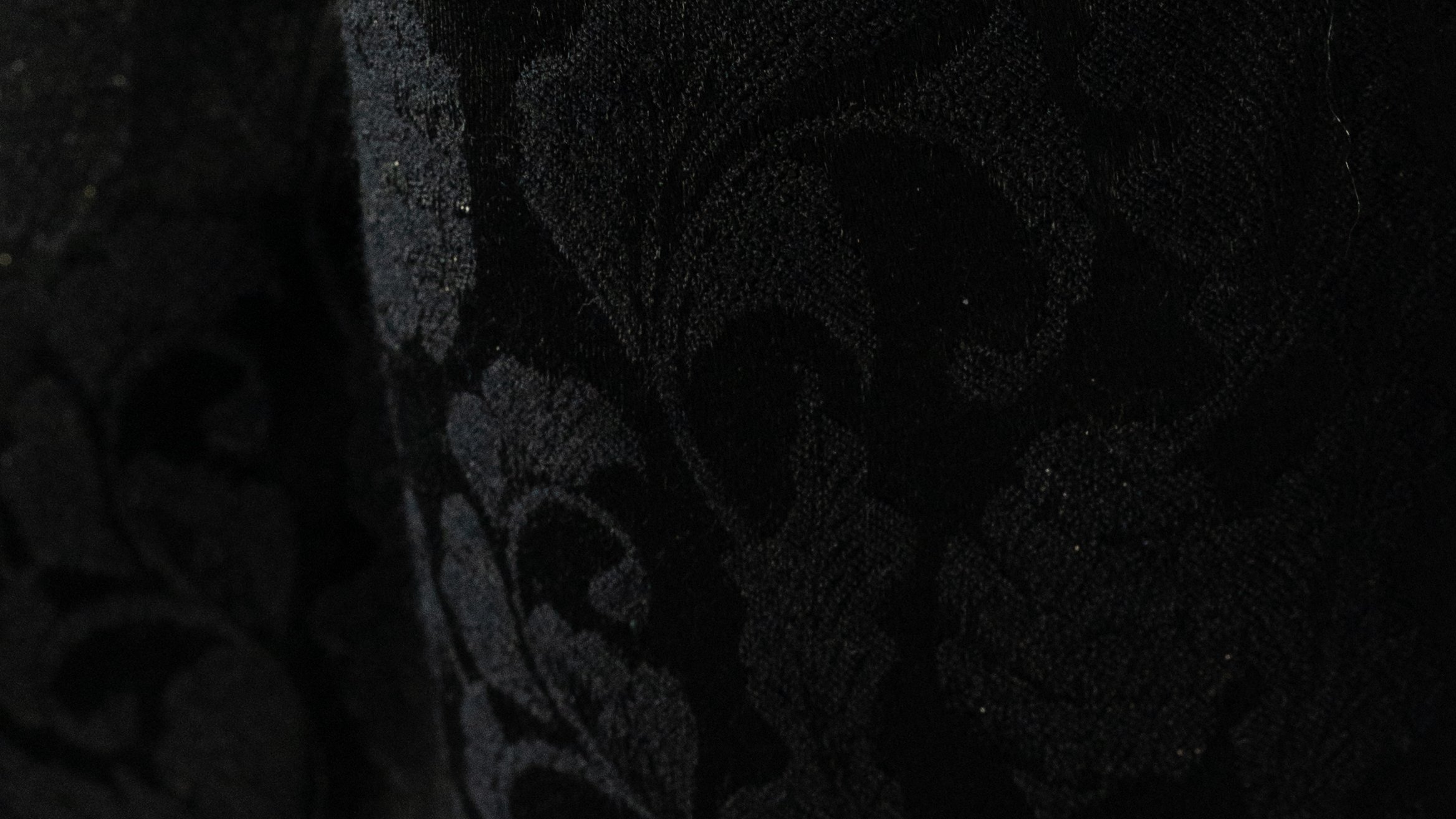
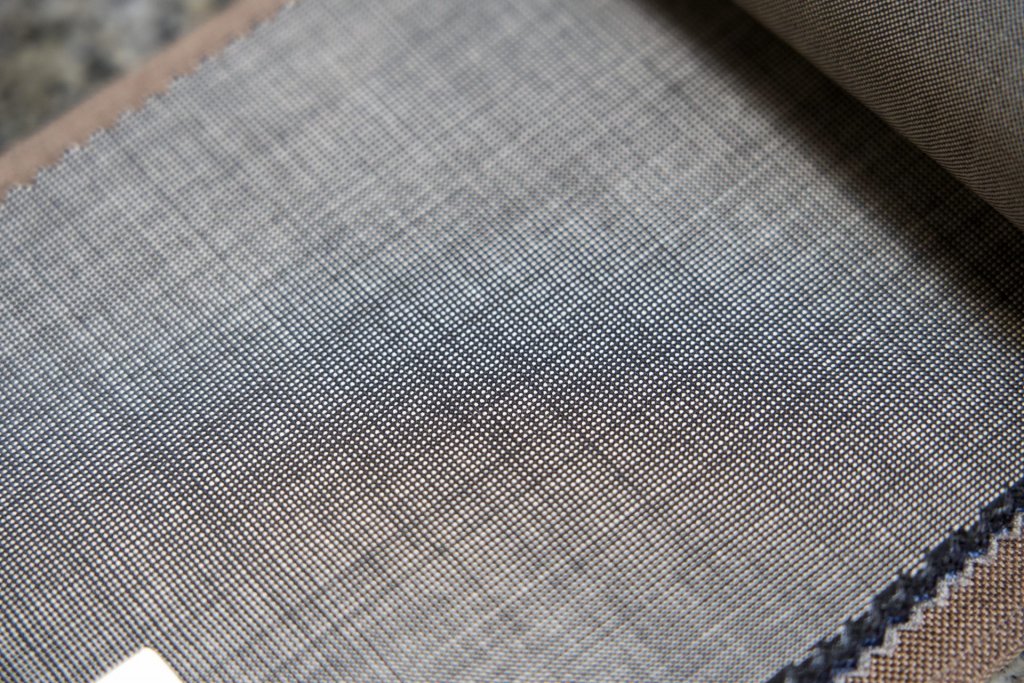
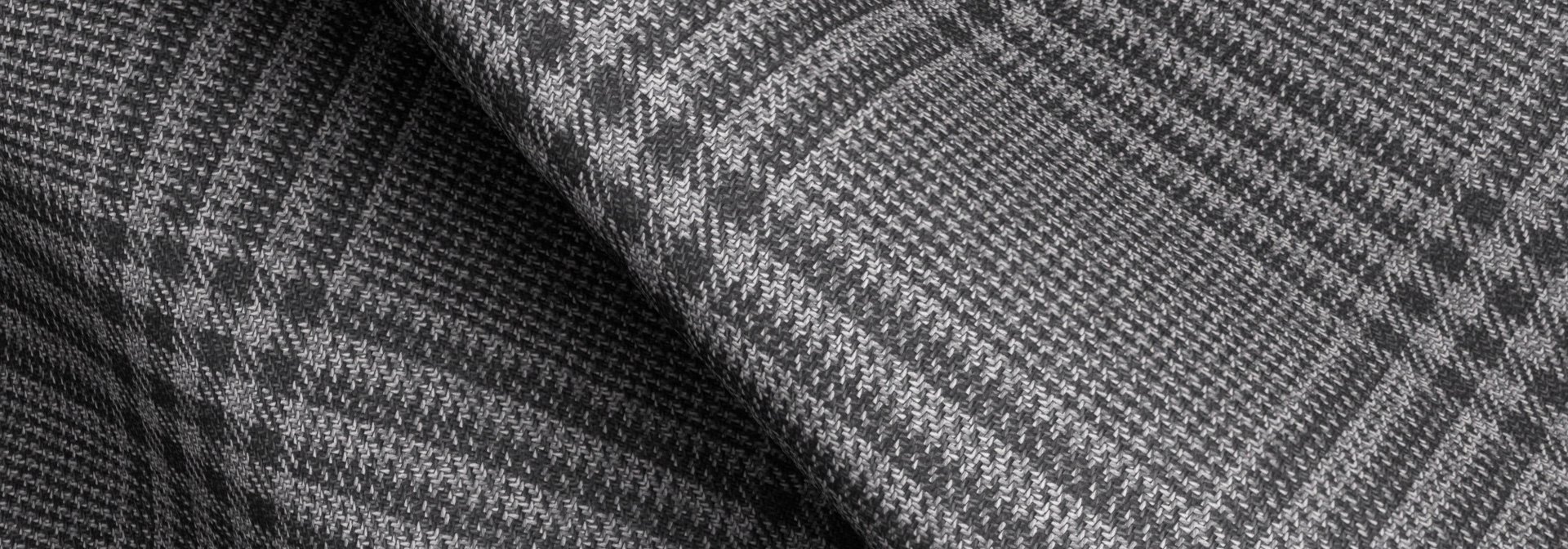
The Different Types of Fabric Weaves

Fabric weave is the way threads are interlaced to create cloth. It sounds technical, but it is one of the fastest ways to understand how a fabric will actually behave on your body. The weave influences texture, drape, breathability, durability, shine, and wrinkle resistance, even when two fabrics share the same fiber content.

Before we dive in, here is a quick clarity check that helps you shop smarter:

  • Weave is the structure (plain weave, twill, basket weave).
  • Pattern is the design (Prince of Wales check, houndstooth, gingham).
  • Finish is post-weaving treatment (brushed, puckered, washed, mercerized).

This guide breaks down the most common weaves and weave-related effects so you can choose the right fabric for a suit, jacket, or shirt with confidence.


Quick Guide: How to Choose the Right Weave

 
  • For crisp formality: poplin, broadcloth, pinpoint
  • For drape and wrinkle forgiveness: twill, herringbone, sharkskin
  • For breathability and warm weather: hopsack, open basket weaves, seersucker
  • For subtle texture that still reads professional: end-on-end, birdseye, dobby

For statement texture and woven designs: jacquard, bold herringbone, solaro effects


1. Plain Weaves


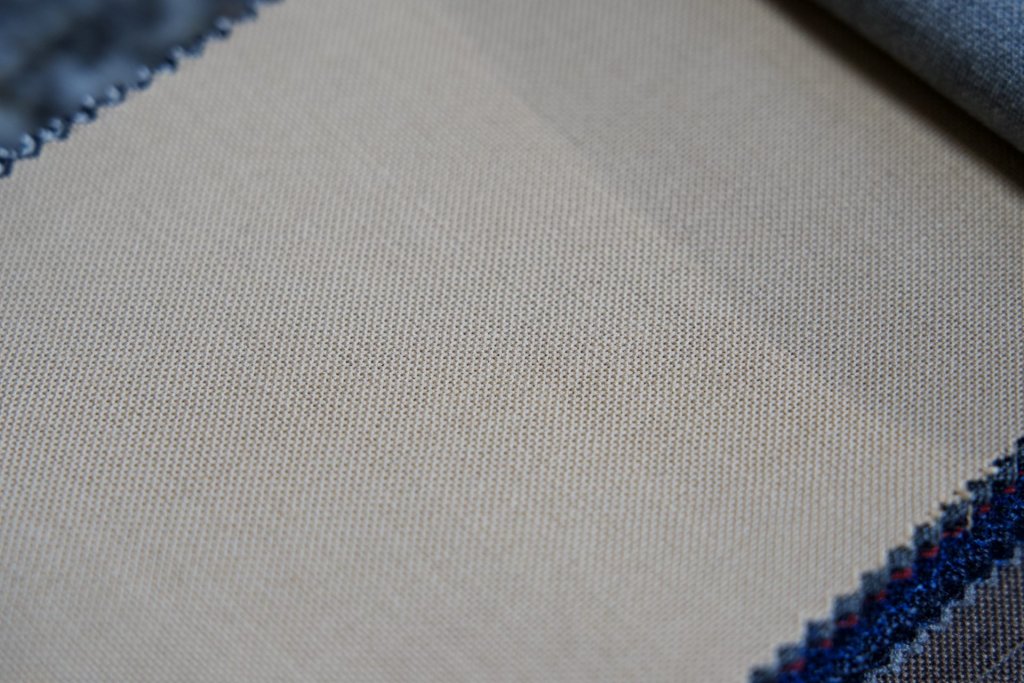
Plain weaves are smooth, clean, and classic. They often feel crisp and look polished, especially in shirting.


Broadcloth and Poplin


Broadcloth and poplin are closely related plain weaves and are frequently used interchangeably in shirting. Both are thin, smooth, and flat, with a clean surface that looks sharp under a jacket.

A simple way to think about it:


  • Broadcloth often looks more uniform and symmetrical.
  • Poplin can sometimes show a faint rib effect when yarn sizes differ in warp vs weft.


Best for: dress shirts, sharp business looks
What to expect: very smooth feel, can show wrinkles more than twill

DSC09471-1024x683.jpeg


Chambray 

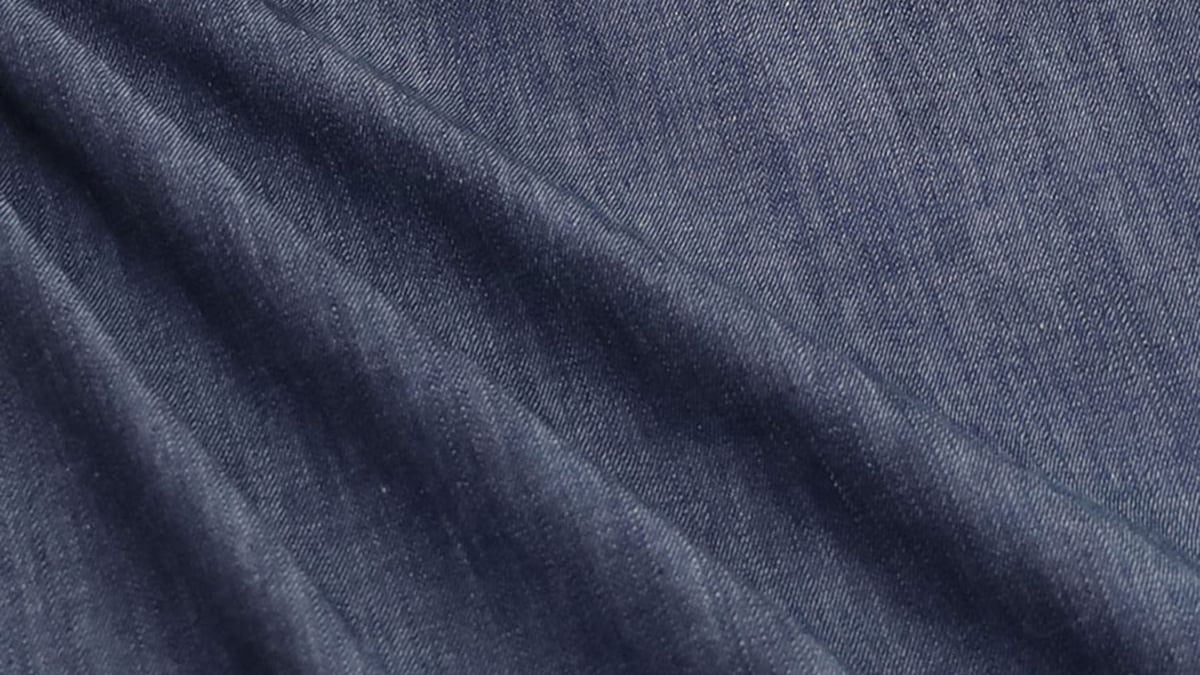
Chambray is often confused with other textured shirt fabrics, but it belongs firmly in the plain weave family. Like poplin and broadcloth, chambray uses a simple over-under weave structure. What gives it its distinctive character is the yarn choice and color arrangement, not a special weave.

Most chambray is woven with colored yarns in the warp (lengthwise threads) and white yarns in the weft (crosswise threads). From a distance it can look like a soft solid, but up close you’ll notice a subtle, heathered depth that feels relaxed and natural.

How chambray differs from similar fabrics:

  • Chambray vs denim: denim is a twill weave with visible diagonal lines, while chambray is plain weave and looks flatter and lighter.
  • Chambray vs end-on-end: end-on-end is usually finer and more polished for business shirts, while chambray leans casual and workwear-inspired.

Best for: casual shirts, smart casual wardrobes, warm-weather wear
What to expect: breathable feel, soft texture, less formal than poplin or pinpoint

Chambray_1.jpg


Rib Weave


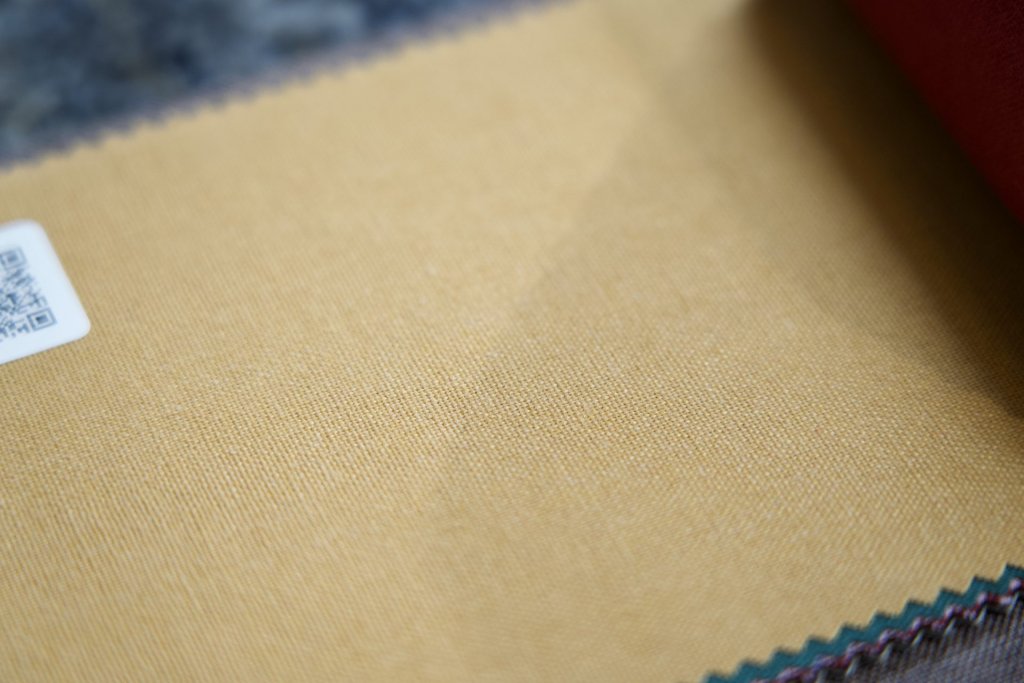
A rib weave is an enlarged plain weave where raised ribs appear in one direction, most commonly in the weft. It is still “clean,” but with more dimension than poplin.


Best for: shirts and fabrics where you want subtle texture without bold pattern
What to expect: structured appearance, slightly more visual depth

DSC09451-1024x683.jpeg


2. Twill Weaves


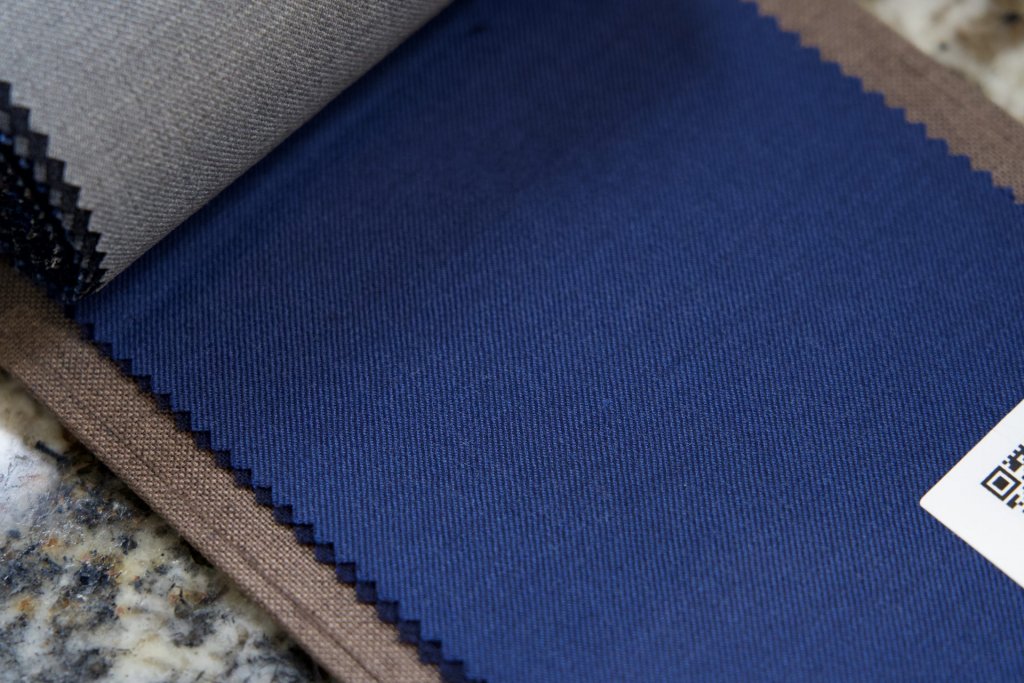
Twill is recognized by its diagonal lines. It typically drapes well, feels slightly softer than plain weave, and often hides wrinkles better.


Twill


Twill can range from subtle diagonals to bold textures like cavalry or imperial twill. Many twills carry a gentle sheen, but shine depends on fiber type, finishing, and color.


A quick reminder: Super numbers relate to wool fineness, not weave type. You can find high Super wools in many weaves, including twill, but the weave itself does not determine the Super number.


Best for: business suits, trousers, travel-friendly tailoring
What to expect: strong drape, better wrinkle resistance than plain weaves

DSC09462-1024x683.jpeg


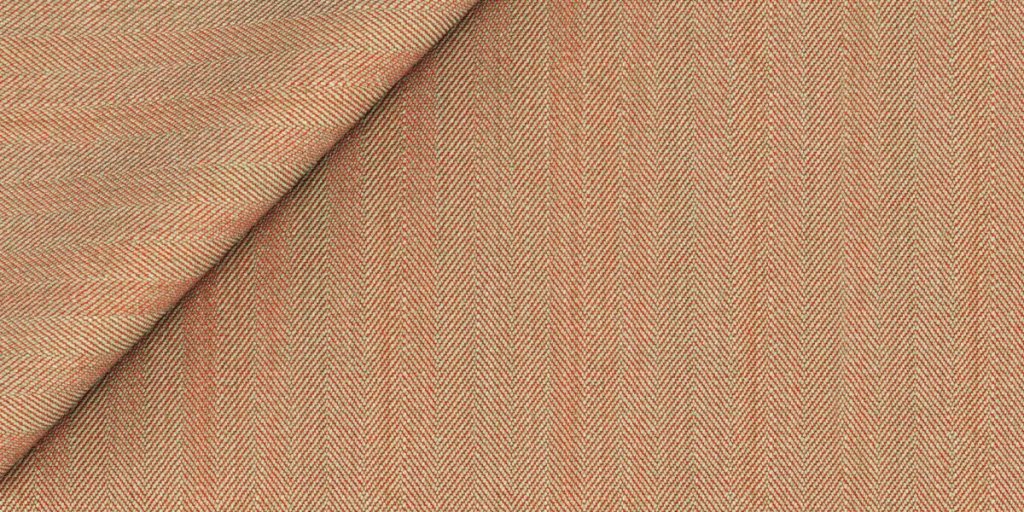
Herringbone 


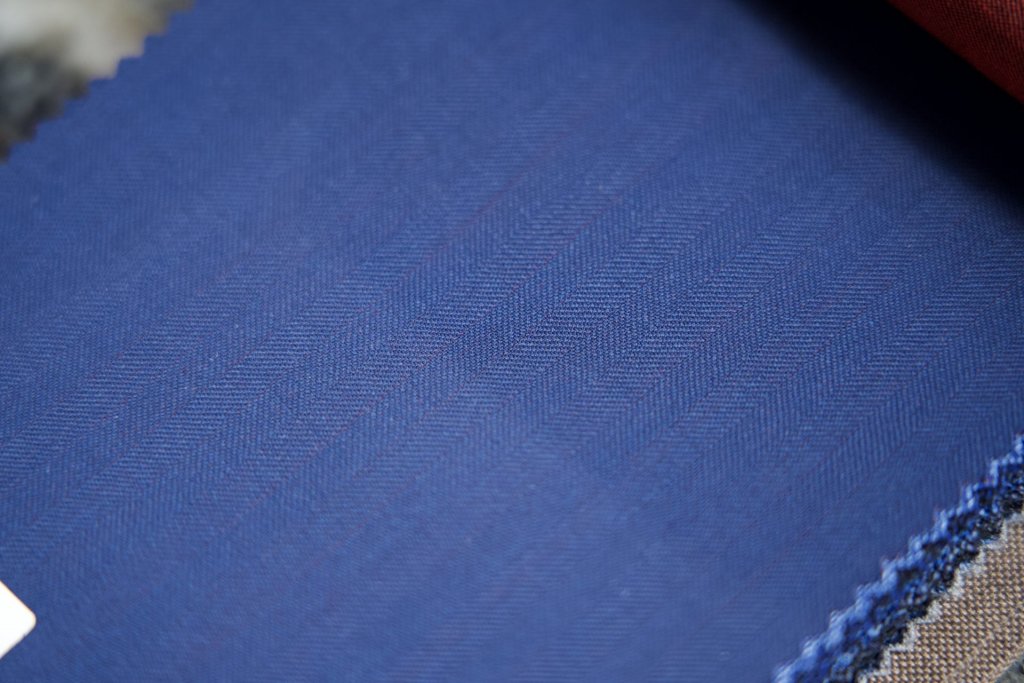
Herringbone is a twill variation with a repeating V-shaped pattern. It adds texture while staying versatile. In smaller scales it reads refined; in larger scales it reads more casual or fashion-forward.


Best for: suits, sport coats, trousers, seasonal tailoring
What to expect: classic texture that works across formal and smart casual


DSC09465-1024x683.jpeg


Sharkskin


Sharkskin, sometimes called pick-and-pick, is loved for its subtle two-tone depth. It can look solid from a distance, but up close it reveals refined texture created by alternating light and dark yarns.


Best for: business suits, daily professional wear, understated visual interest
What to expect: clean texture, often a slight sheen, generally wrinkle forgiving

DSC09457-1024x683.jpeg


3. Basket and Open Weaves


Basket weaves create a more open structure that can increase airflow and texture. These are popular for warm weather and layering pieces like blazers.


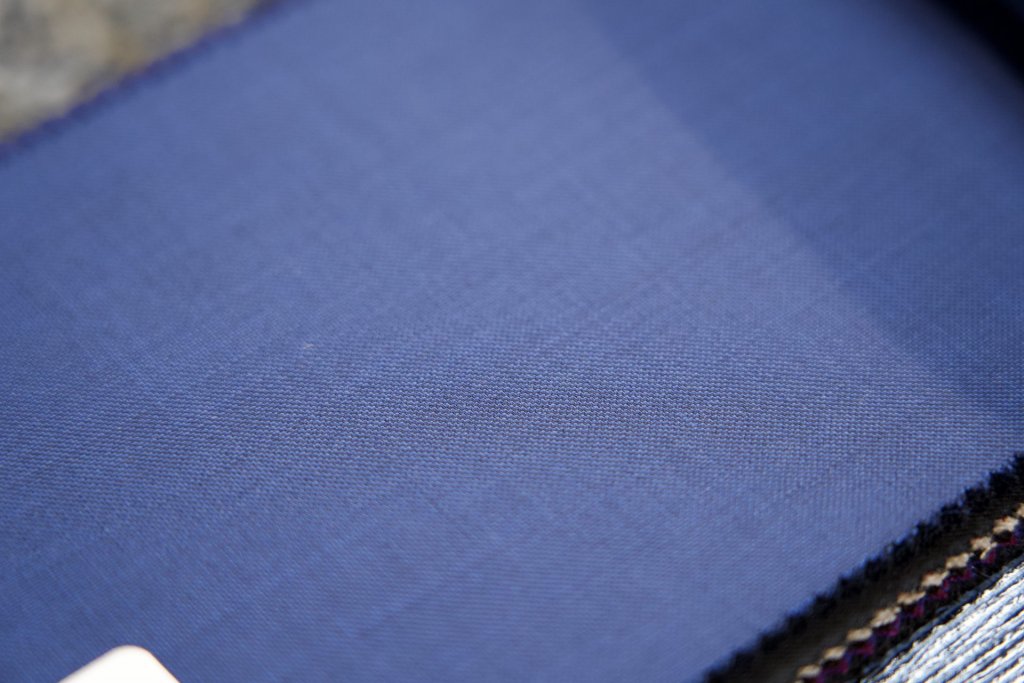
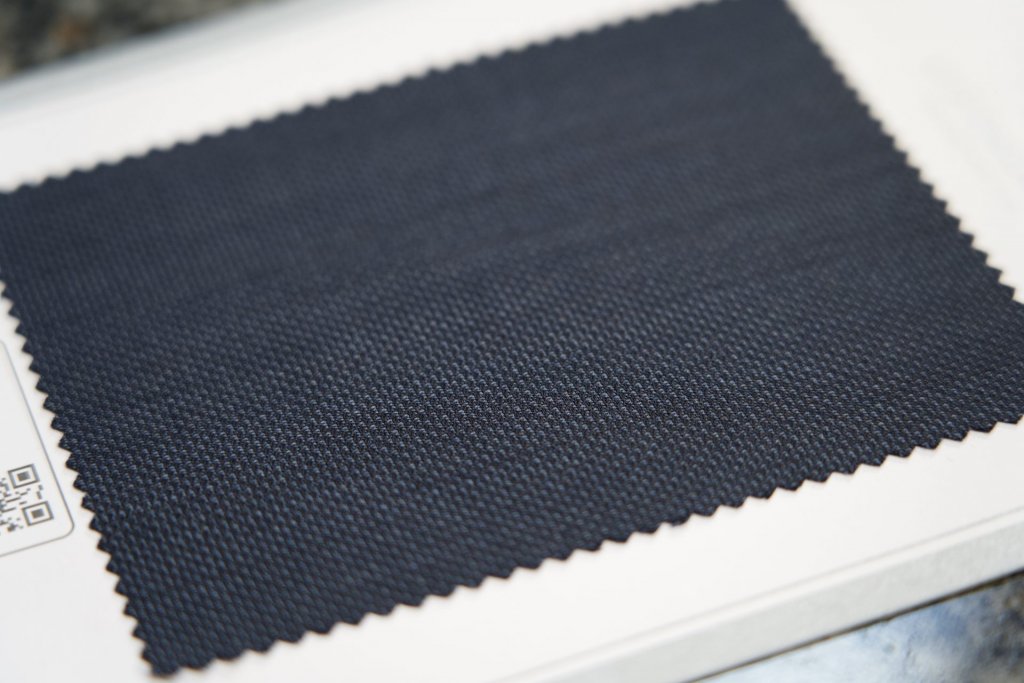
Hopsack


Hopsack is a basket weave that often appears as tiny “cubes” or a lightly gridded texture. Its openness makes it a favorite for breathable tailoring.


Best for: blazers, warm weather jackets, some suits depending on weight
What to expect: airy feel, textured look, relaxed elegance


DSC09447-1024x683.jpeg


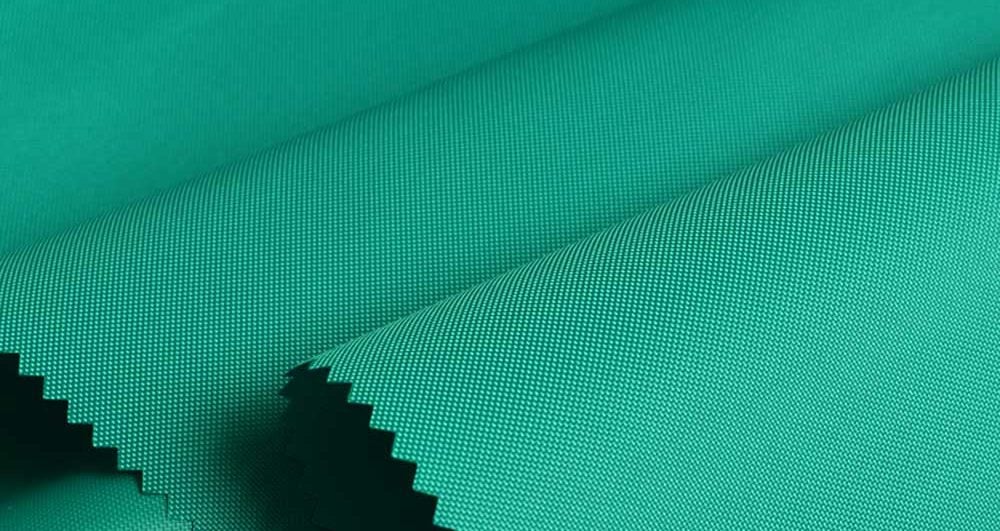
Oxford Cloth 


Oxford cloth is a basket weave typically woven with thicker yarns and a looser structure than poplin. It is durable and commonly used in shirts, especially in smart casual wardrobes.


Best for: casual to smart casual shirts
What to expect: durable texture, slightly less formal than poplin

BEST1507-1-1000x531-1.jpg


Pinpoint


Pinpoint is closely related to oxford but tighter and finer, which makes it cleaner and slightly more formal. It is also more opaque and durable, which can be ideal for daily professional shirts.


Best for: business shirts, daily wear, durability-focused wardrobes
What to expect: polished look with strong wear resistance

Pinpoint-fabric.jpg


4. Patterned Weaves and Textures Woven In


These fabrics get their interest from the loom structure itself rather than a printed design.


Dobby


Dobby fabrics use small, repeating woven textures. Some look close to broadcloth; others feel closer to twill. The result is usually subtle texture that still feels office-appropriate.


Best for: shirts, refined casual pieces, texture without loud pattern
What to expect: understated detail, easy styling

DSC09449-1024x683.jpeg


Jaquard


Jacquard is known for complex woven patterns that are built into the fabric, often with a raised effect. Florals, geometrics, and damasks are common, and the fabric often feels richer and more structured.


Best for: statement shirts, formalwear details, special occasions
What to expect: bold woven design, more presence, often firmer hand-feel


jacquard-fabric_2.jpg


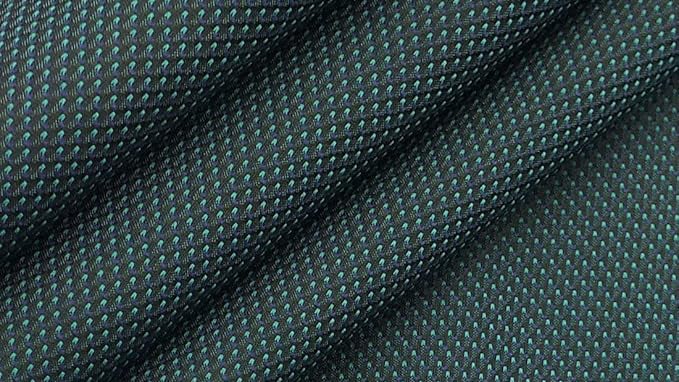
Birdseye and End-on-End


These two are often confused because they both add texture without reading “pattern heavy.”

  • Birdseye looks like tiny dots or micro-diamonds, giving suiting a refined surface.
  • End-on-end uses alternating light and colored yarns so the fabric reads solid from afar but textured up close.

Best for: business suits and shirts that look solid but feel richer up close
What to expect: subtle depth, professional versatility


DSC09470-1024x683.jpeg


5. Patterns Often Mistaken for Weaves


A common source of confusion in menswear is mixing up weaves and patterns. A weave is the fabric’s structure, meaning how threads interlace to create the cloth. A pattern is the visual design created by color arrangement, yarn placement, or the way the weave is used.


Why this matters: the same pattern can look sharper, softer, more formal, or more casual depending on the base weave, fiber, and finishing. In other words, “Prince of Wales” or “houndstooth” tells you what it looks like, but not how it will drape, breathe, or wrinkle.


Below are the most common patterns people mistakenly label as weaves, and how to understand them like an expert.


Prince-of-Wales Check


Prince of Wales is typically achieved through yarn-dyed threads rather than printing. The pattern comes from the planned arrangement of light and dark yarns in both warp and weft, creating layered check blocks.

Why it is often mistaken for a weave:
Because it looks complex and “built into” the fabric, many assume it is a special weave. In reality, it is a pattern that can sit on different weave bases.

How the base weave changes it:

  • On a plain weave: the pattern looks crisp, flat, and sharp.
  • On a twill: it gains softer drape and often looks richer with more depth.
  • On textured weaves: the pattern becomes more dimensional and casual.

Best for:
Business suits, heritage-inspired suits, sport coats, autumn and winter wardrobes.


50--00305-0001-000-00001_cover.jpg


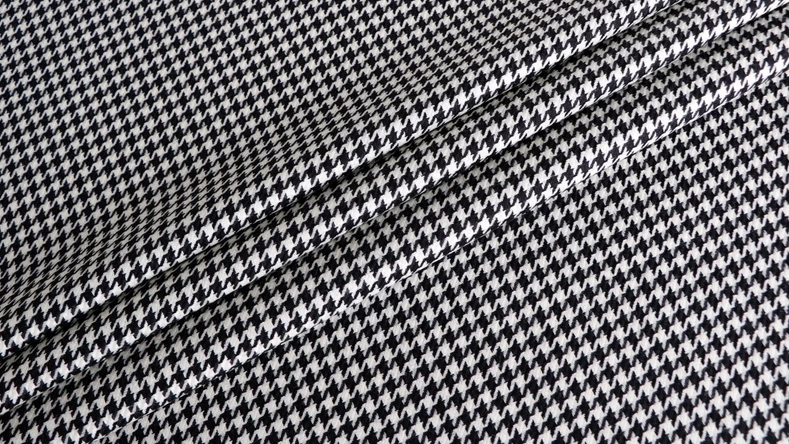
Houndstooth


What it is: A bold broken-check pattern that forms jagged, pointed shapes. It can appear subtle or dramatic depending on scale and contrast.

How it’s created: Houndstooth is typically built using yarn-dyed contrast, commonly in a twill structure. The classic look often uses a repeating color sequence that creates the recognizable “tooth” effect.

Why it is often mistaken for a weave: Because it is frequently woven into fabric (especially twill), it feels like a weave identity. But houndstooth is a pattern, not a weave category.

How the base weave changes it:

  • On twill: it drapes well and looks traditional, especially in suiting.
  • On heavier cloth: it looks bolder and more structured, often seen in coats.
  • On finer weaves: it becomes cleaner and more formal.

Best for: Sport coats, suits, overcoats, statement trousers.


houndstooth-wool-suit-fabric.jpg


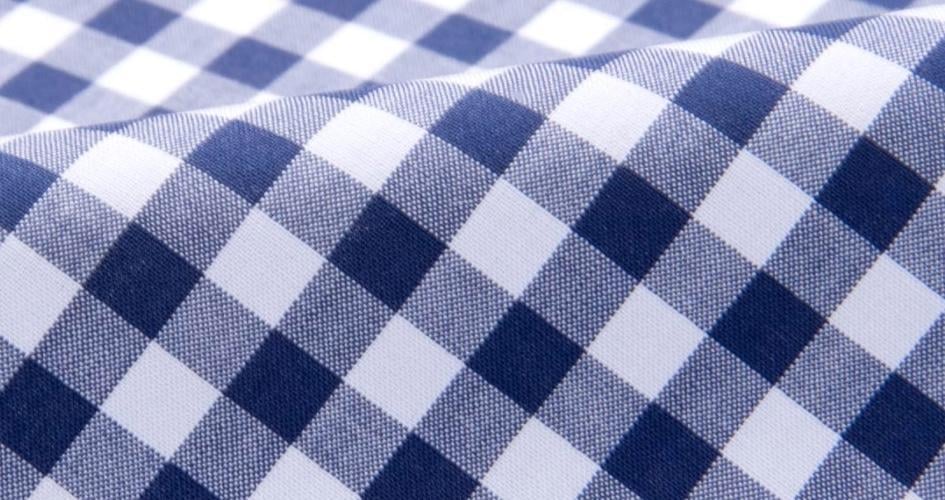
Gingham


What it is: A simple, evenly spaced check pattern most commonly seen in shirting. Gingham checks are typically clean and geometric, often in colors like blue, navy, black, or red.

How it’s created: Gingham is usually a yarn-dyed pattern made on a plain weave base, using alternating colored and white yarns. The pattern appears as consistent square checks.

Why it is often mistaken for a weave: Because it is so closely linked with classic shirt fabrics, people sometimes assume “gingham” is the weave itself. In reality, gingham is the pattern, while the underlying weave is usually plain weave.

How the base weave changes it:

  • On poplin/broadcloth: it looks crisp and formal enough for office shirts.
  • On oxford: it becomes more casual and textured.
  • On brushed finishes: it feels softer and more relaxed.

Best for: Business casual shirts, smart casual outfits, warm-weather wardrobes.


gingham-fabric.jpg


Quick Rule to Remember


If you can describe it as “striped,” “checked,” or “printed-looking,” it is usually a pattern, not a weave. The weave is what determines the fabric’s performance: crispness, drape, breathability, and wrinkle resistance.


6. Color Effects and Finishes


These are not single weave types. They are effects created by yarn color choice or finishing.


Solaro


Solaro is known for contrasting warp and weft colors that create a dimensional, shifting effect in different light. It is a classic choice for those who want tailoring with personality.


Best for: warm weather suits, statement tailoring, seasonal wardrobes
What to expect: lively depth and color nuance

WhatsApp-Image-2018-06-15-at-22.02.41-1024x512.jpeg


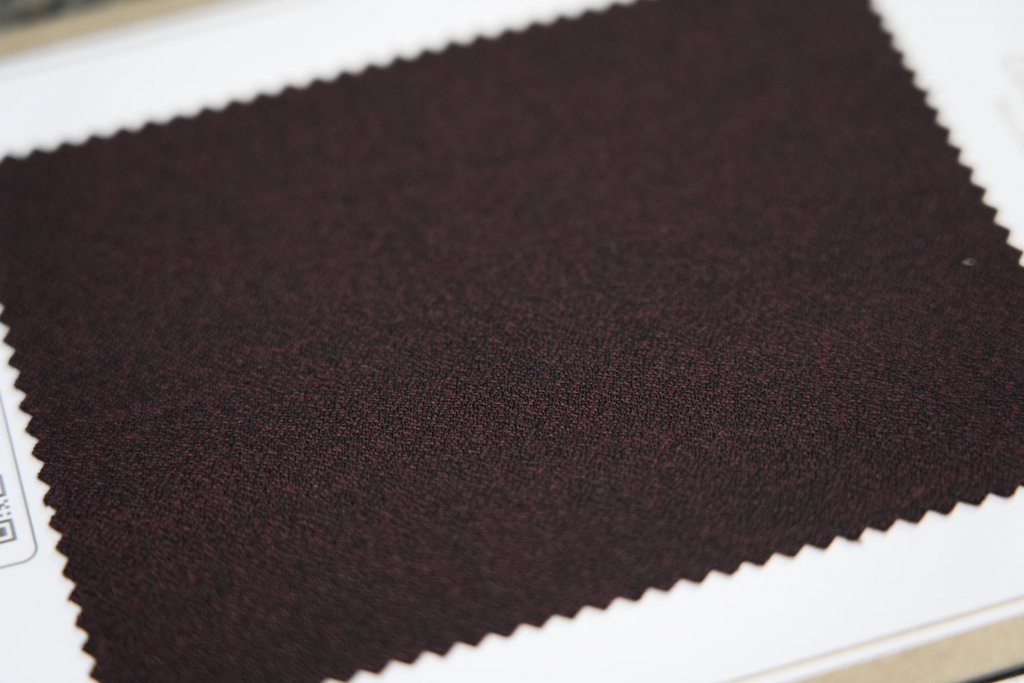
Melange 


Melange is created using multi-tonal yarns to produce a heathered appearance. Many weaves can be melange as long as the yarn effect is present.


Best for: modern suiting, softer visual depth, versatile styling
What to expect: less flat than a solid color, more character up close

DSC09448-1024x683.jpeg


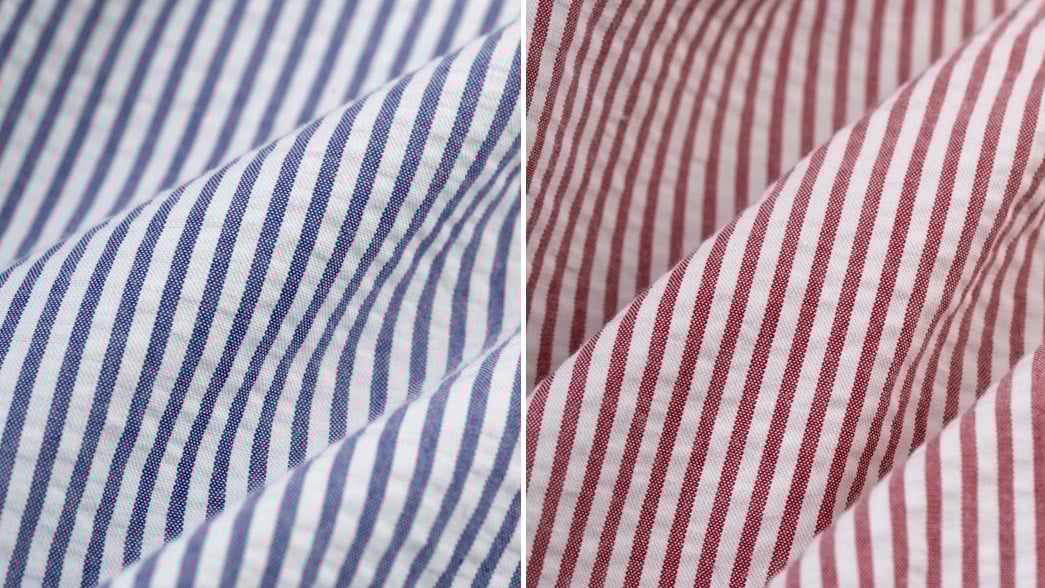
Seersucker 


Seersucker is designed for warm weather and recognized by its puckered texture. That texture helps the fabric sit slightly off the skin for airflow and comfort.

Best for: summer shirts, warm weather suits, relaxed tailoring
What to expect: breathable feel, minimal ironing needs, casual confidence

seersucker-a-wrinkle-in-summer-fabrics-seersucker.jpg


How to Choose the Right Weave for Your Wardrobe


Start with climate and use case:

  • Hot weather and breathability: hopsack, basket weaves, seersucker
  • Business formality and crisp appearance: poplin, broadcloth, pinpoint
  • Wrinkle resistance and travel: twill, herringbone, sharkskin, birdseye
  • Texture without loud pattern: end-on-end, dobby, birdseye
  • Statement fabrics: jacquard, solaro, bold herringbone

A simple rule: plain weaves look crisp; twills and textures usually drape more naturally and hide wrinkles better.


Care and Longevity Tips by Weave

 
  • Smooth plain weaves: show wrinkles more easily; steam and store properly
  • Open weaves (hopsack): breathable but can snag; handle carefully
  • Twills and textured weaves: generally forgiving; benefit from brushing and rest between wears
  • Seersucker: do not over-press; the texture is the point

For suits, rotate wears and let garments rest. For shirts, hang to dry when possible and steam lightly for the cleanest finish.


The SUITABLEE Perspective


Think of weave as the “architecture” of fabric. It’s the hidden structure that decides whether a cloth feels crisp or fluid, whether it breathes in summer or holds warmth in cooler months, and whether it reads clean from a distance or reveals texture up close. Two fabrics can share the same fiber content and still behave completely differently simply because the weave is different.


At SUITABLEE, we treat weave selection as a style decision and a performance decision at the same time. Poplin and broadcloth create a sharp, polished finish. Twills and herringbones add depth with better drape and wrinkle forgiveness. Basket weaves like hopsack open things up for airflow and effortless warm-weather tailoring. When you understand these differences, you stop choosing fabric by guesswork and start choosing it with intention.


Explore our Fabric Collection during Design Your Suit process to see how each weave changes the look and silhouette of your custom suit. If you want a second set of eyes, book an appointment and let a dedicated specialist help you match the right weave to your lifestyle, climate, and occasion.