How to Wear a Double-Breasted Suit

Wear a double-breasted suit buttoned whenever you stand, fastening only the top working button and never the bottom one. The 6×2 configuration is the most versatile: it draws a clean V and flatters nearly every build. Keep the jacket close at the waist and the trousers trim, since extra cloth reads twice as wide on a double-breasted cut. To relax the look, drop the tie and add loafers. Design your double-breasted suit, then perfect the fit at a fitting.


Double-Breasted Suit at a Glance

 
Layout Buttons to fasten Best for Formality
6×2 The top working button Nearly every build, first double-breasted suit Classic, business and formal
6×1 The single working button Taller or slimmer builds Modern, slightly relaxed
4×2 The top working button Smaller frames Clean, contemporary
4×1 The single low button Statement looks Fashion-forward, less traditional


What Is a Double-Breasted Suit?


A double-breasted suit has overlapping front panels and two vertical columns of buttons, usually four or six, with only one or two of them used to close the jacket. Its design is built to stay fastened, giving it a structured shape that enhances the shoulders and narrows the waist. This creates the sought-after V silhouette that defines sharp tailoring.


The most recognizable detail? The peaked lapels. They lead the eye upward and contribute to the bold, powerful impression that double-breasted jackets naturally give. Browse our custom double-breasted suits to see the cut in different cloths.


Double-Breasted vs Single-Breasted: Which Should You Choose?

  Double-breasted Single-breasted
Front Overlapping panels, two columns of buttons One column of buttons, edges meet in the centre
Lapel Peak lapel Notch or peak lapel
Worn Buttoned whenever you stand Can be worn open
Effect Broader chest, narrower waist, more presence Leaner, simpler line
Choose it for A statement suit, weddings, evening events A first suit, daily office wear

If you own one suit, make it single-breasted. If you already have the basics and want a suit that carries more presence, the double-breasted cut is the next step.


Why Choose a Double-Breasted Suit?


This suit isn’t for blending in. It’s for the man who knows what he’s doing. With the rise of modern, slim tailoring, the double-breasted suit has evolved from traditional formality into a versatile, contemporary style. Today’s versions are lighter, softer in structure, and incredibly wearable in both professional and social settings.


It speaks with style, and it shows you mean business.

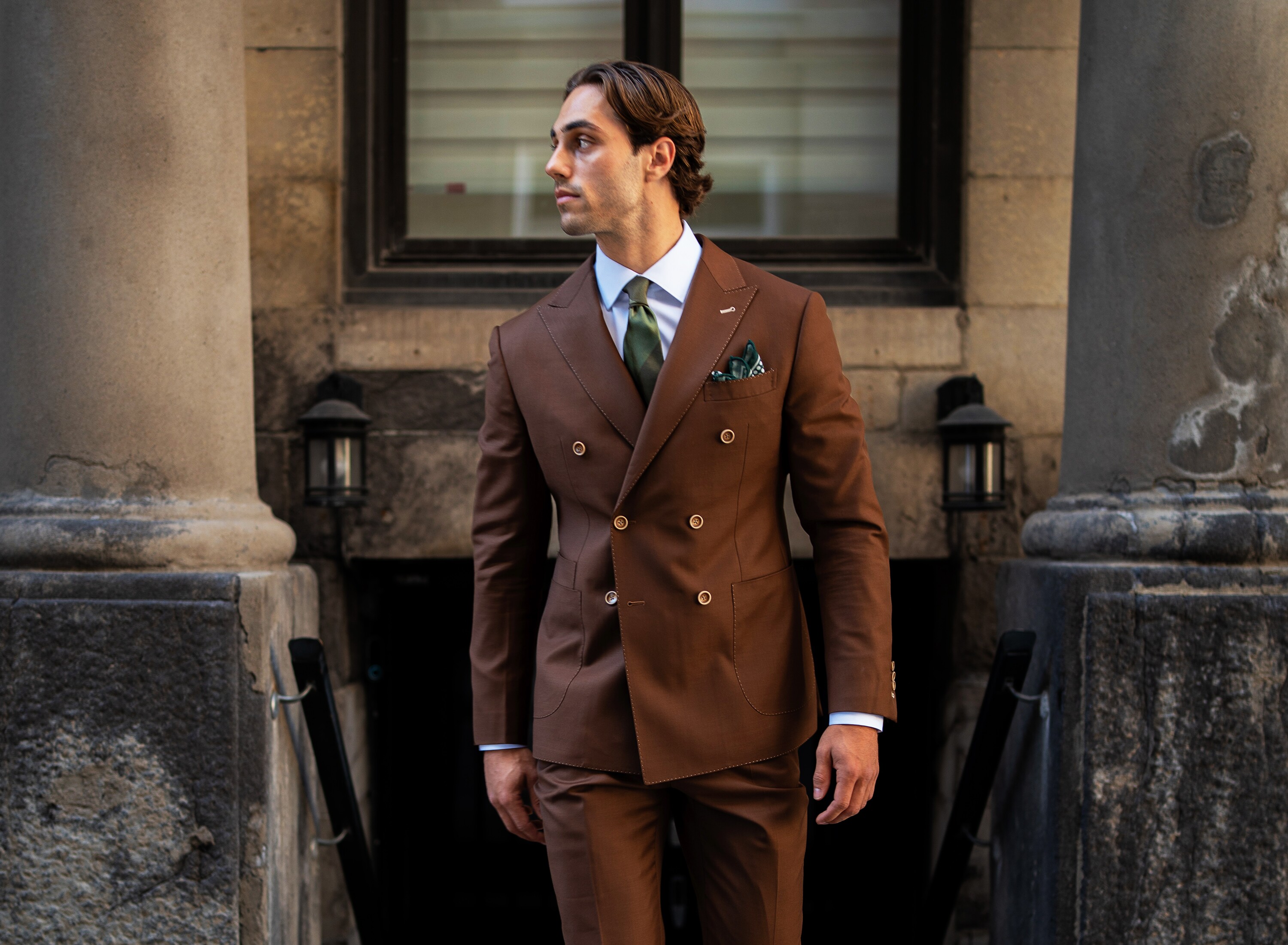
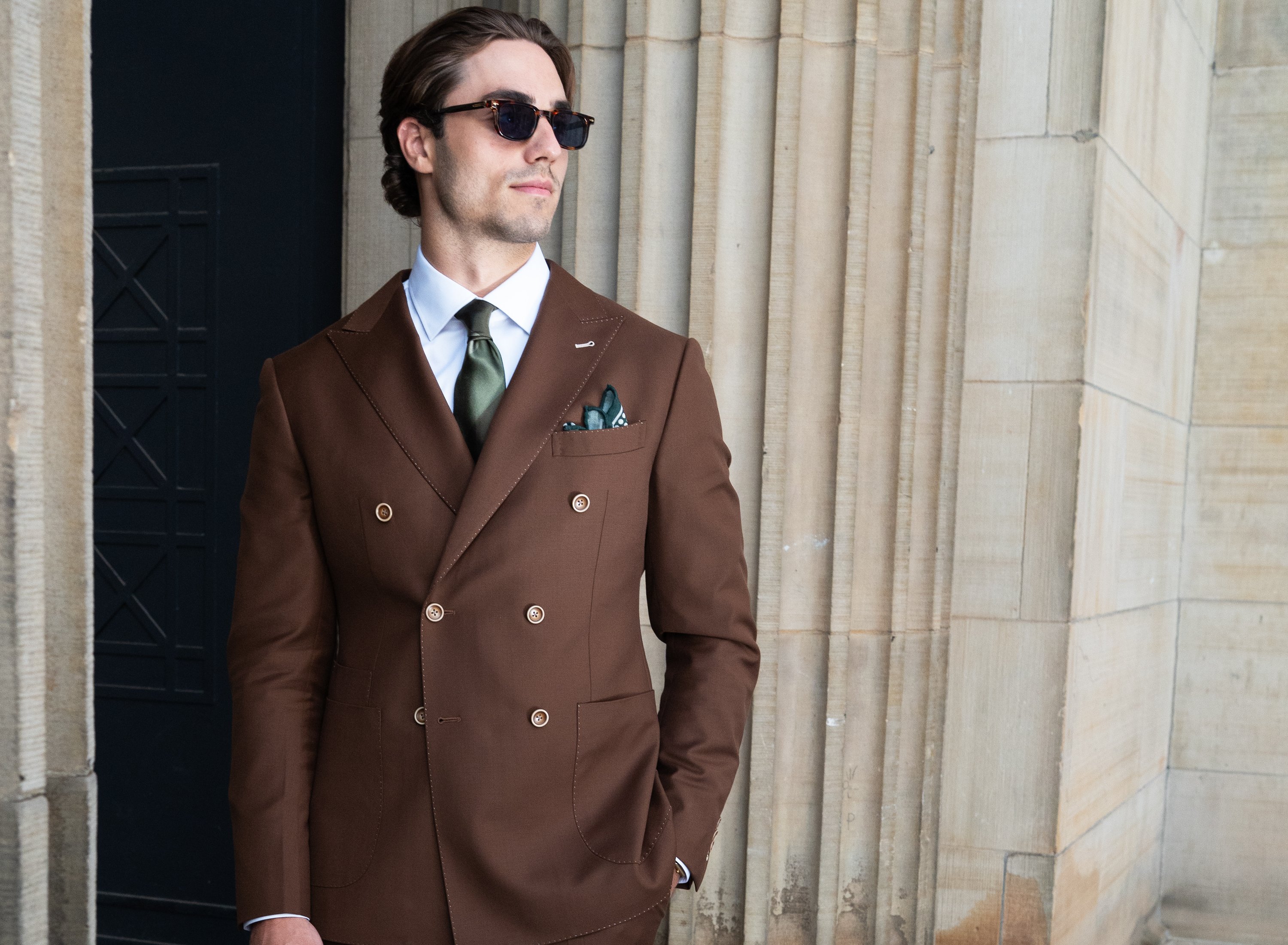
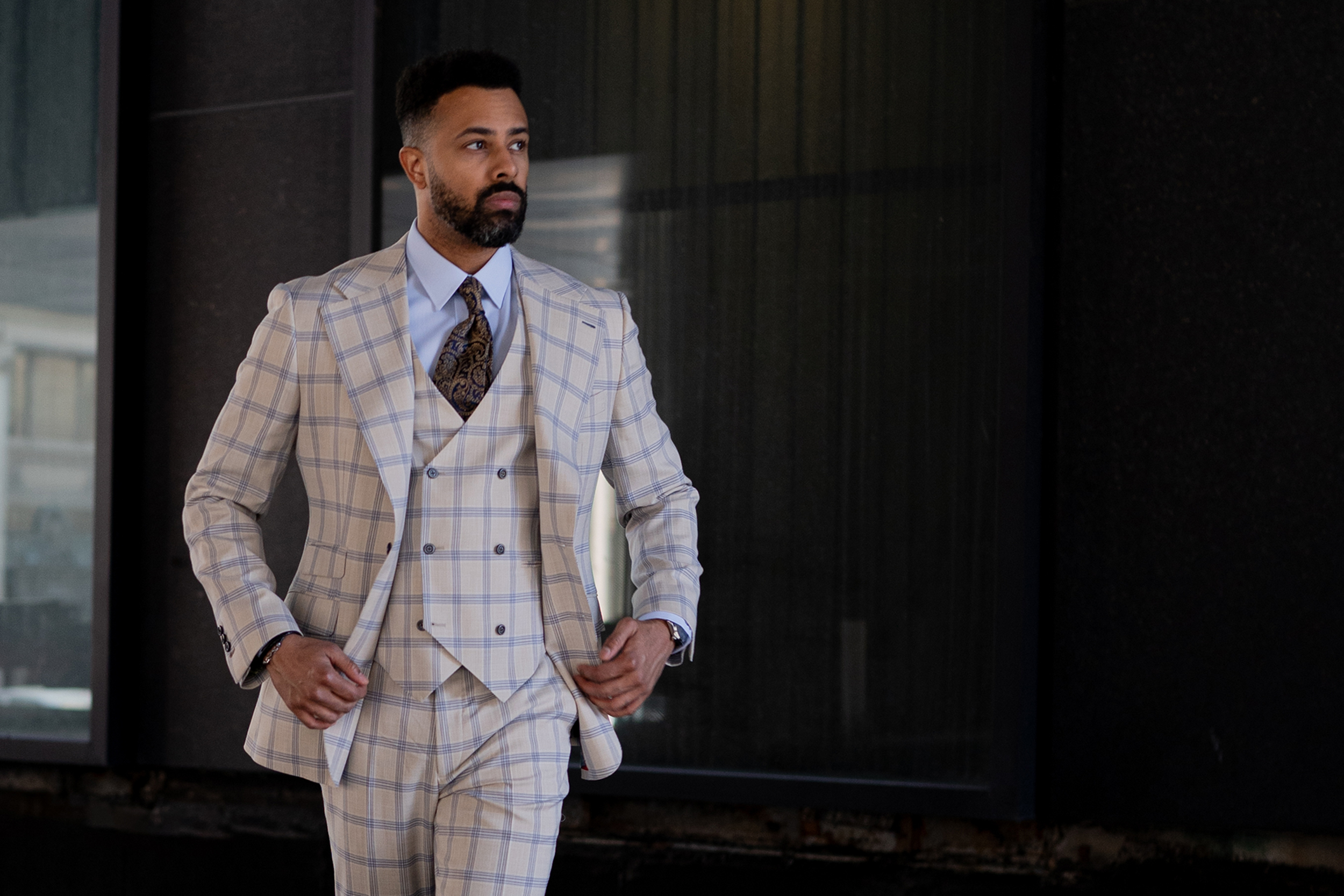
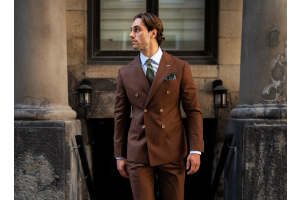
brown-double-breasted-suit-with-green-tie.jpg

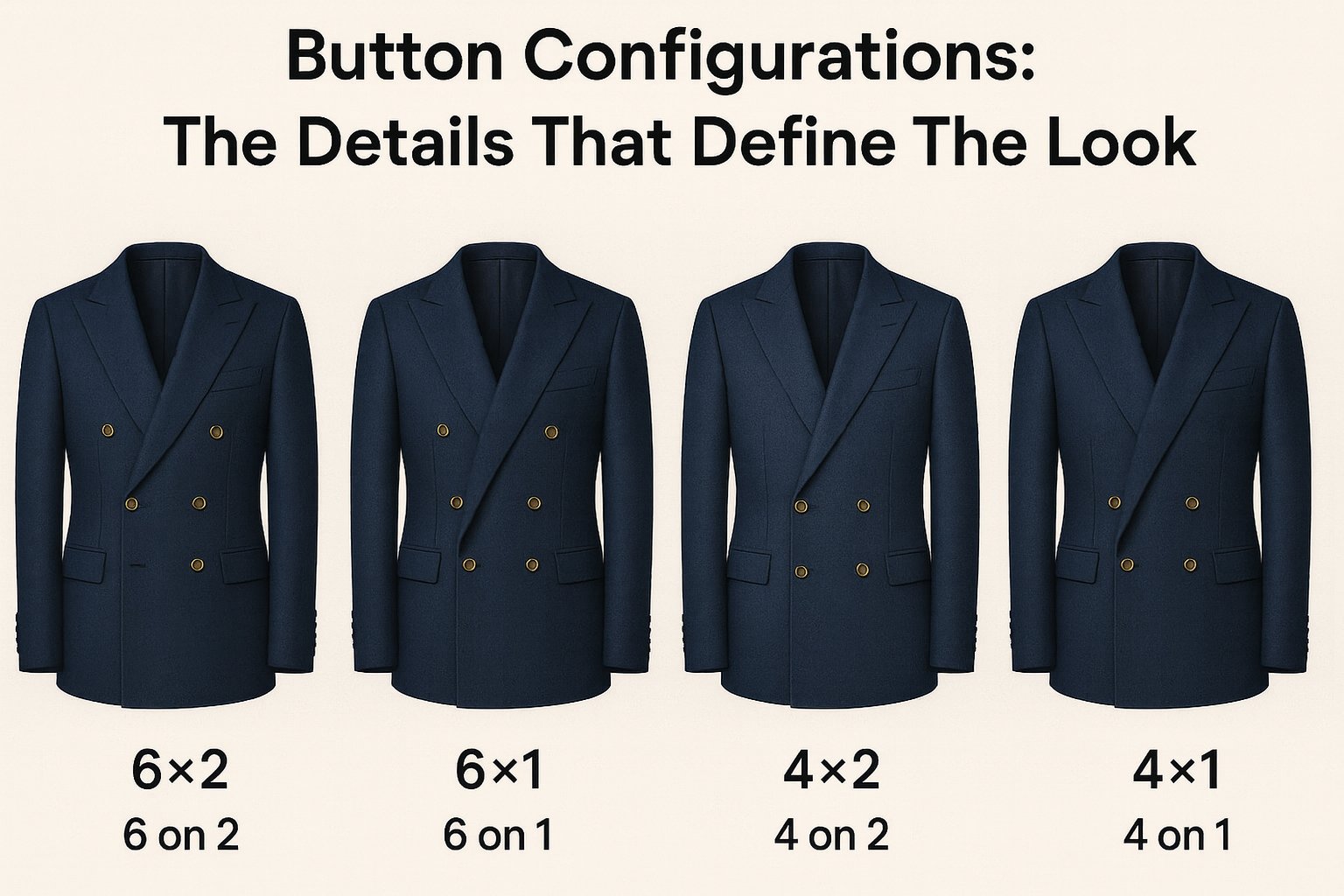
Button Configurations: The Details That Define the Look

suitablee-button-configurations.jpg

Button placement on a double-breasted suit is a structural decision, not just a style choice. It changes the angle of the lapels and the shape of your torso.


The 6×2 layout is the gold standard: six buttons on the front and two that fasten. It creates a clean, architectural V-shape that flatters nearly every build. It’s balanced, timeless, and consistently sharp. If you’re wearing a double-breasted suit for the first time or investing in a piece meant to last, this is the safest, most versatile choice. Just remember, you only fasten the top working button. Never the bottom.


For those who prefer a little more edge, the 6×1 layout drops the fastening point lower on the torso, opening the lapel line and elongating the frame. The result is more relaxed and fluid, lending itself well to modern and fashion-forward styling. This version favors taller or slimmer builds.


Then there’s the 4×2 layout, a more streamlined alternative that uses only four buttons instead of six. It delivers a clean, modern look and works especially well on smaller frames, where less visual bulk lets the jacket sit closer to the body.


The 4×1 configuration is rare, bold, and undeniably stylish. With one low button fastening and a sweeping lapel line, it leans heavily into contemporary design. It’s less about tradition and more about aesthetic impact, making it ideal for statement-makers rather than traditional officewear.


Each configuration carries its own visual weight. The more buttons you include, the more structure and traditional formality the jacket communicates. Fewer buttons create a more minimalist and progressive appearance.


At SUITABLEE, we guide our clients based on both body proportions and intent. Our go-to recommendation? The 6×2 layout. But for those seeking something with a more elongated, minimalist finish, we’ve reimagined the 4×1 configuration. Built on a 6×1 base but with the upper decorative buttons removed, it achieves a sleeker, cleaner lapel line while preserving the structure of a proper double-breasted jacket.


Ultimately, the button layout you choose should enhance your posture and reflect your personal taste. Because every SUITABLEE pattern is generated from a scan of your body, the button stance is placed for your proportions, not a size chart.

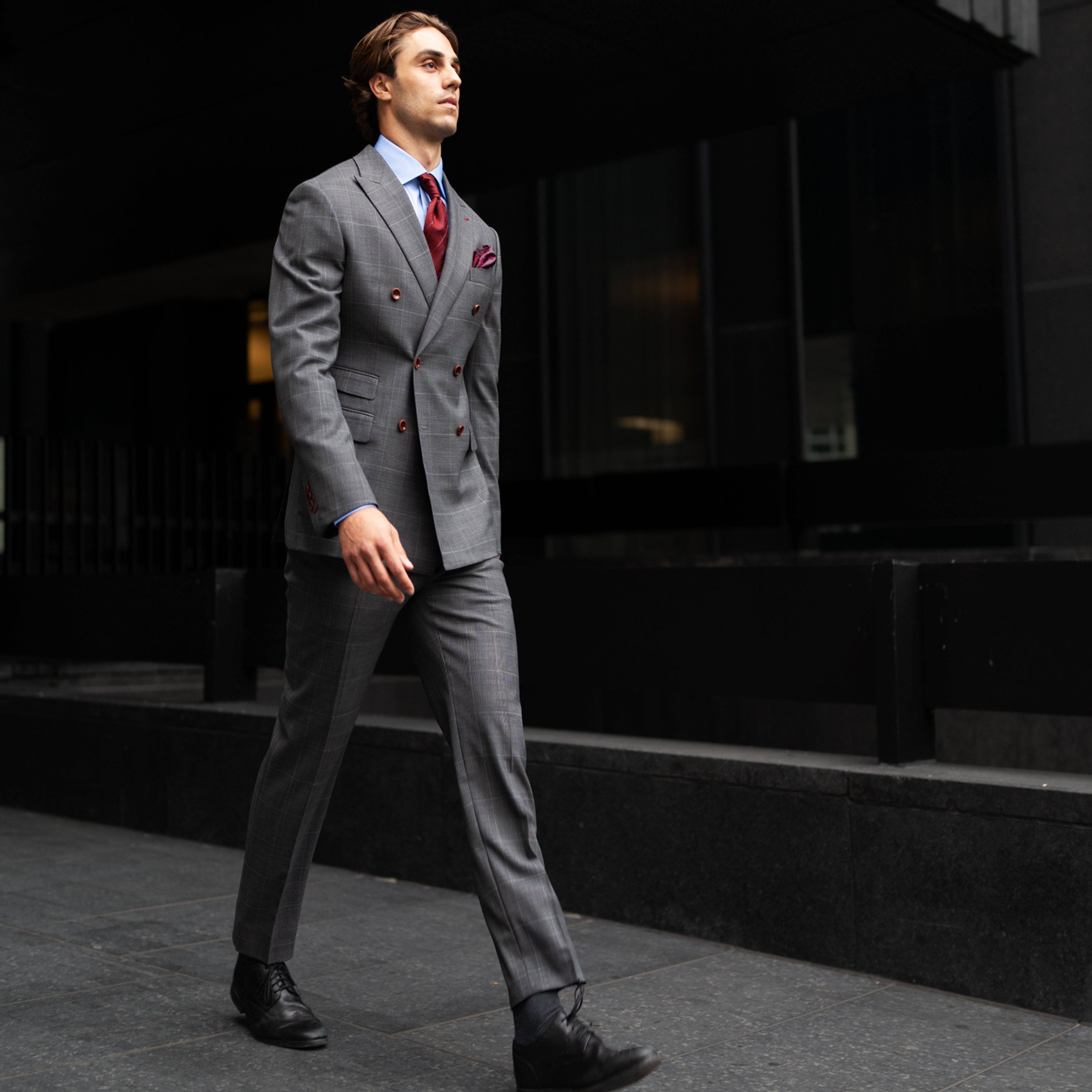
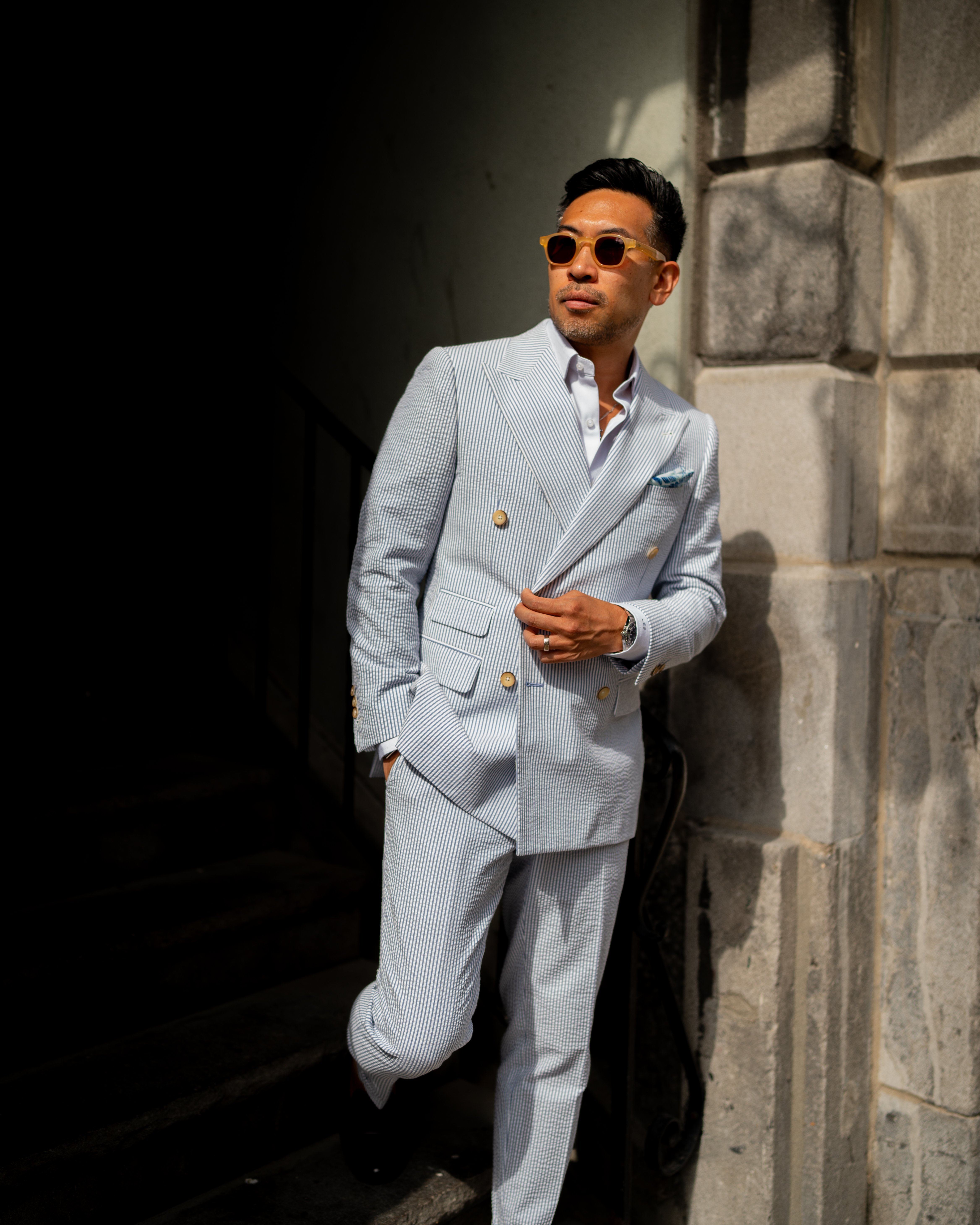
double-breasted-grey-suit-street-style-suitablee.jpg


Shop the cut: 

See all custom double-breasted suits


Fit: The Make-or-Break Factor


Getting the fit right is essential. Unlike single-breasted suits, the double-breasted version stays closed, so there’s little room for error.


  • Shoulders and chest: Seams must sit right at the edge of your shoulders, with a smooth chest that doesn’t pull or billow.
  • Waist and length: A slight taper through the waist flatters your frame, while the jacket should end around mid-seat level.
  • Sleeves: Aim for about 1 cm (half an inch) of shirt cuff showing, and a slim taper through the arms.
  • Trousers: Keep them trim with a slight break. Wide trousers under a double-breasted jacket make the whole suit look heavy. See the different trouser lengths.

How Body Types Can Wear It Best

The double-breasted suit favors strong silhouettes, but with the right tailoring, any body type can wear it well.

  • Shorter Men: Choose a jacket with higher button placement and avoid wide lapels. Slightly shorter lengths help elongate your appearance.
  • Broader Builds: Use soft structure, less padding, and a gentle waist taper. Go for subtle vertical lines or solid colors to streamline the look.
  • Slim Builds: This is the natural audience for double-breasted suits. Add wide lapels and structured shoulders to enhance presence.

Small adjustments make a large difference here, which is why a pattern drawn from your own body matters more on this cut than on any other.

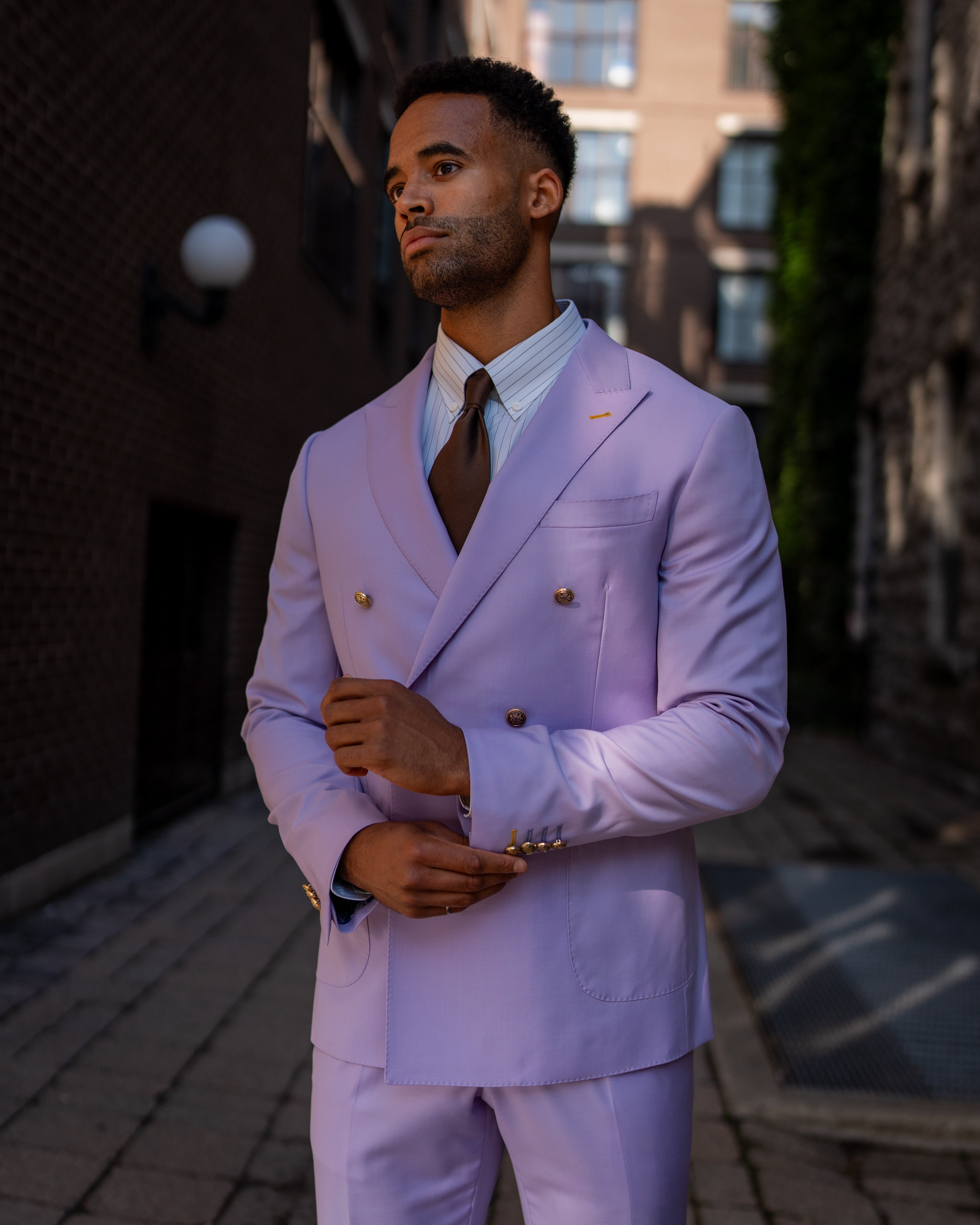
pastel-lavender-double-breasted-suit.jpg.jpg

Style, Fabric, and Color: Making It Yours


Fabric-wise, stick to wool for year-round wear. Flannel works beautifully in cooler months, while linen or cotton blends give the suit a relaxed feel in summer. Patterns like subtle checks or pinstripes can work, but let the structure of the suit be the standout. The Ivory Pinstripe Double-Breasted Suit and the Plum Glen Check Double-Breasted Suit show how a quiet pattern sharpens the cut without competing with it.


Color is where you get to express your personality. Navy and charcoal are safe, stylish choices for work or formality. The Black Double-Breasted Wool Suit covers the same ground for evening. For something more daring, try the Teal Blue Double-Breasted Suit, the Eggplant Double-Breasted Suit or the Burgundy Double-Breasted Reda Wool Suit for social settings.


Color is where you get to express your personality. Navy and charcoal are safe, stylish choices for work or formality. For something more daring, try olive, light grey, or even a rich burgundy for social settings.

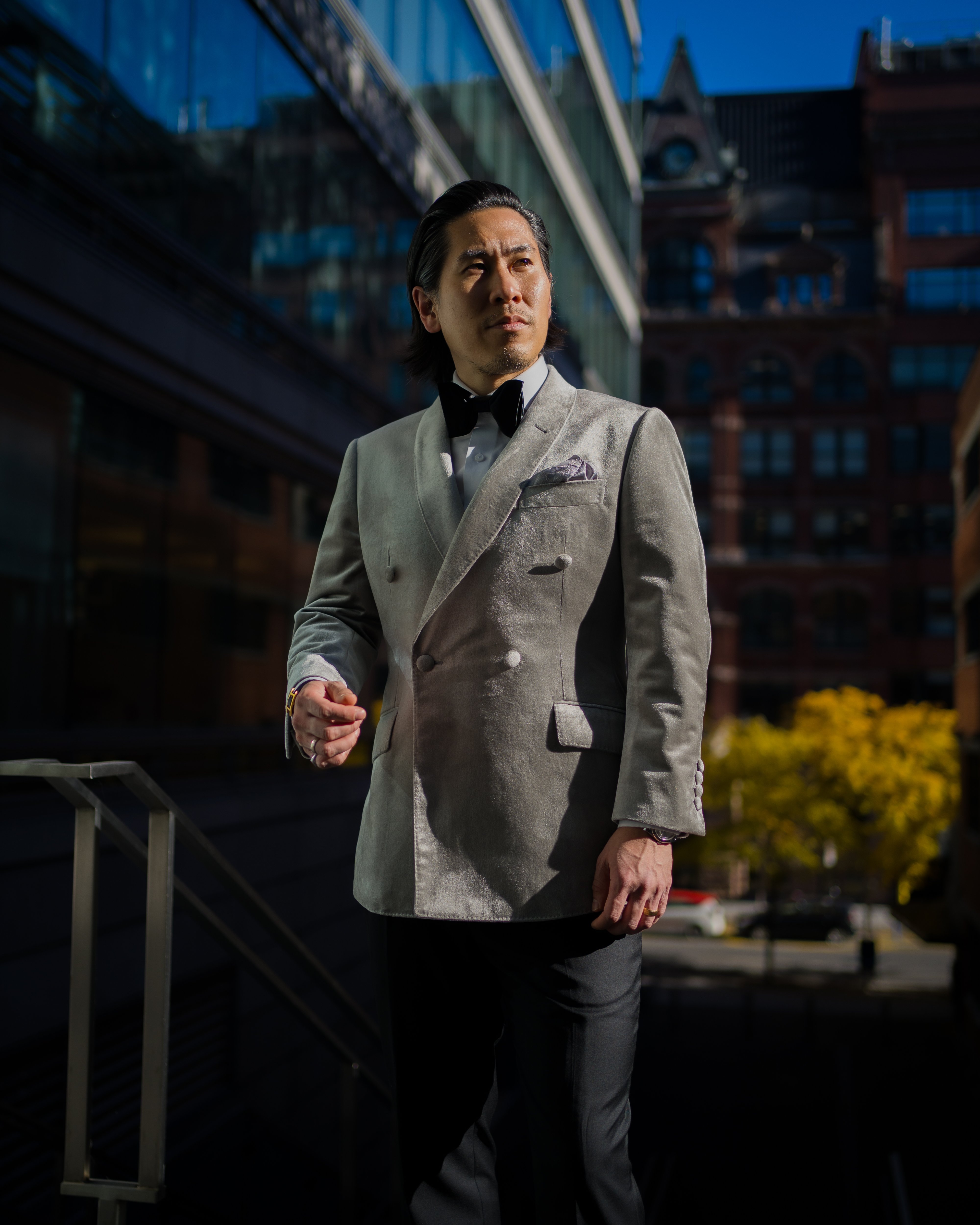
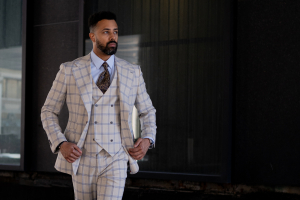
grey-velvet-double-breasted-suit-men-urban-style.jpg

Suiting for Climate: Fabric Tips

Your environment matters more than you might think.

  • Hot weather: Stick with unlined or half-lined jackets in tropical wool, linen blends, or seersucker.
  • Cold weather: Use flannel, heavier wools, or tweed to retain structure and warmth.
  • Humid areas: Choose breathable weaves and avoid thick shoulder padding.


Occasions to Wear a Double-Breasted Suit

Despite its structured appearance, the double-breasted suit can be incredibly versatile. 


For business or formal events, pair it with a crisp white or light blue shirt, a silk tie, and polished dress shoes. Add a pocket square if you're feeling bold, it shows you’ve thought about the details.


At weddings or upscale parties, the double-breasted look shines. Choose a darker tone, opt for sharp accessories, and stand tall, literally and figuratively. For a summer or daytime wedding, the Ivory Double-Breasted Wool Suit reads celebratory without tipping into costume. For black tie, the Midnight Navy Double-Breasted Tuxedo is a strong alternative to the classic single-breasted dinner jacket. See our guide to the tuxedo.


Want to wear it more casually? Lose the tie. Unbutton the shirt. Swap dress shoes for loafers or even clean white sneakers. Pick a jacket in a lighter fabric with softer structure, and suddenly the suit doesn’t feel so formal anymore. It just feels cool.


Caring for Your Double-Breasted Suit

This type of suit holds its shape longer when cared for properly.

  • Use a wooden hanger with wide shoulders to preserve form.
  • Brush gently after wear to remove dust and particles.
  • Steam lightly before wear rather than constant dry cleaning.
  • Store in a breathable garment bag during off-season.

It’s an investment. Treat it like one.

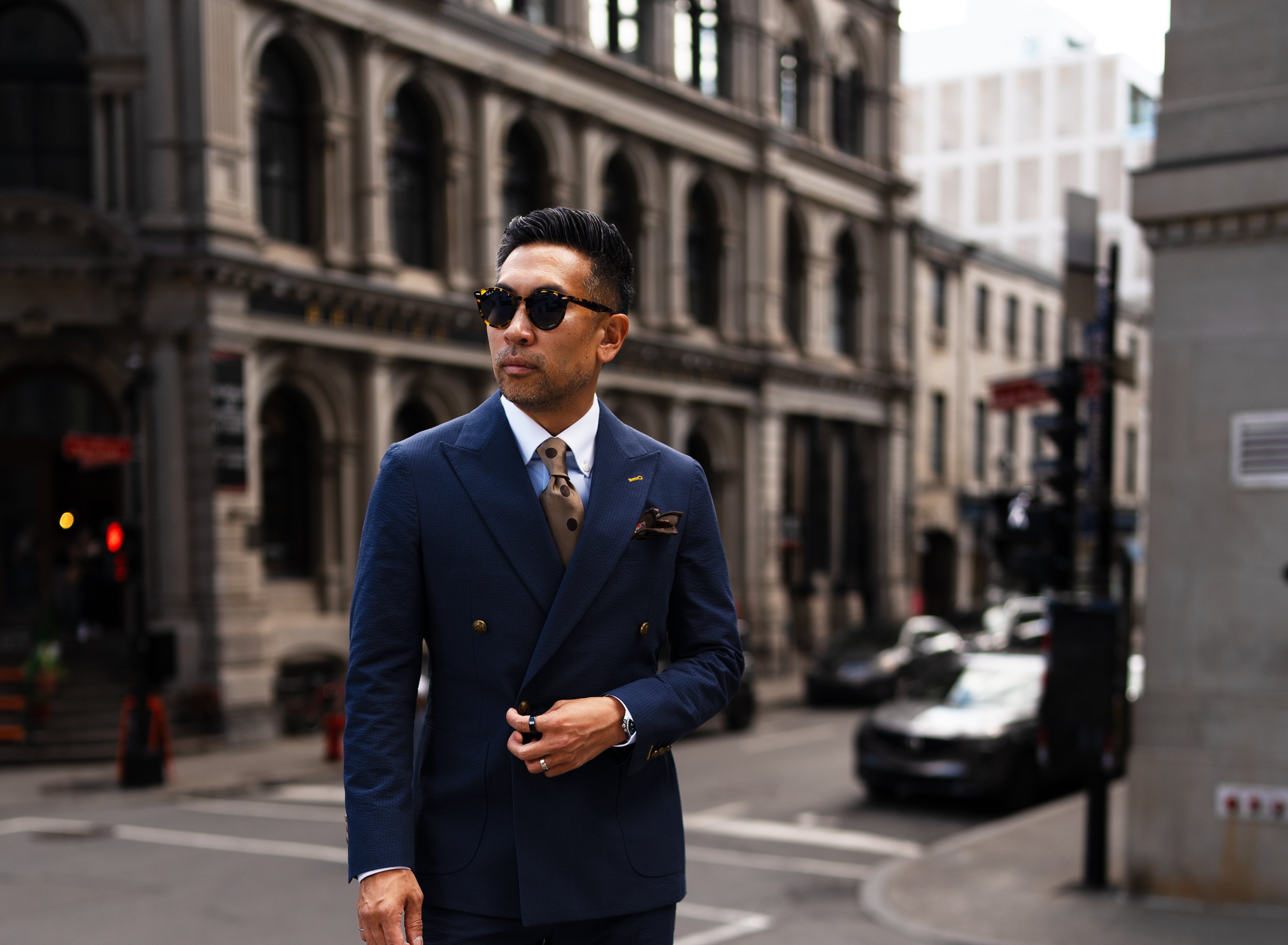
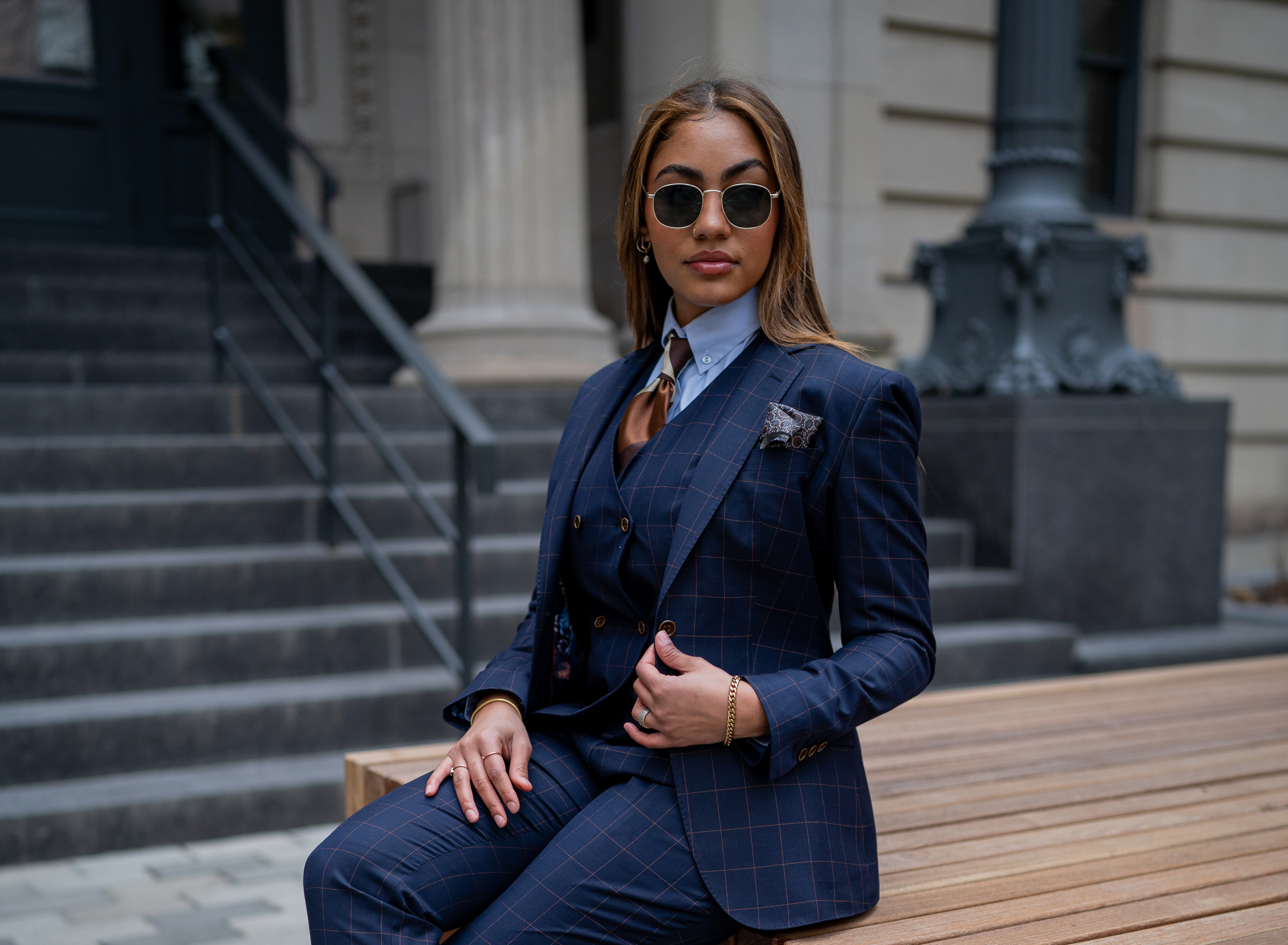
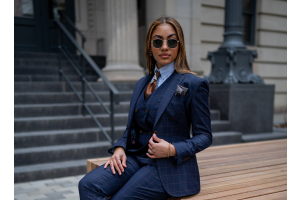
classic-navy-double-breasted-suit-street-style.jpg


The SUITABLEE Perspective


A double-breasted suit isn’t just another option, it’s a statement of purpose. When tailored with precision and styled with intention, it becomes one of the most powerful pieces a man can wear. It shapes perception, posture, and presence.


What makes it truly impactful, however, isn’t just the cut or construction. It’s how the wearer feels in it. Confidence begins when your suit doesn’t just fit your frame, it fits your personality, your ambition, your moment.


That’s where we come in. At SUITABLEE, every garment is crafted to bring out the best in the man who wears it. We design with detail, cut with care, and tailor for how you move through the world. Whether you're stepping into a boardroom or raising a glass at a celebration, your double-breasted suit should feel like it was made for exactly that. Because it is.


Explore our custom double-breasted suits, or schedule a virtual or showroom appointment.


Made for you, not a size chart. Book your fitting in Montréal, Brossard, Laval, Ottawa or Toronto. Ready in four weeks.


Frequently Asked Questions


What is a double-breasted suit?

A suit whose jacket has overlapping front panels and two columns of buttons, usually with peak lapels. It is designed to be worn buttoned and gives a broader chest and narrower waist than a single-breasted jacket.


What is the best button configuration for a double-breasted suit?

The 6×2 layout is the most versatile and flattering choice, creating a clean, architectural V-shape that works for nearly any build. Only the top functional button should be fastened, never the bottom one, to preserve the jacket’s natural drape.


Should the bottom button be fastened on a double-breasted suit?

No. On the classic 6×2 configuration, only the top functional button is meant to be fastened. Leaving the bottom button open preserves the jacket’s structure and drape.


Is a double-breasted suit more formal than a single-breasted suit?

Yes, slightly. The overlapping front and peak lapels read more formal, which makes it a strong choice for weddings, evening events and important meetings. In a soft cloth without a tie, it also works casually.


Can shorter men wear a double-breasted suit?

Yes. Choose a higher button stance, moderate lapels and a slightly shorter jacket. A 6×2 or 4×2 layout cut close to the body elongates the frame.


Can a double-breasted suit be worn casually?

Yes. Removing the tie, unbuttoning the shirt, and swapping dress shoes for loafers or clean sneakers immediately relaxes the look. Choosing a jacket in a lighter fabric with softer structure also helps it read as less formal.